Səni çaya dəvət edəcəm və biz bütün bu baş verənləri xatırlayıb güləciyik. Bütün bu ağrılar keçəcək. Bütün arzular reallaşacaq. Səni çaya dəvət edəcəm və biz çay içəciyik..
All this pain will pass. All these dreams will come true.
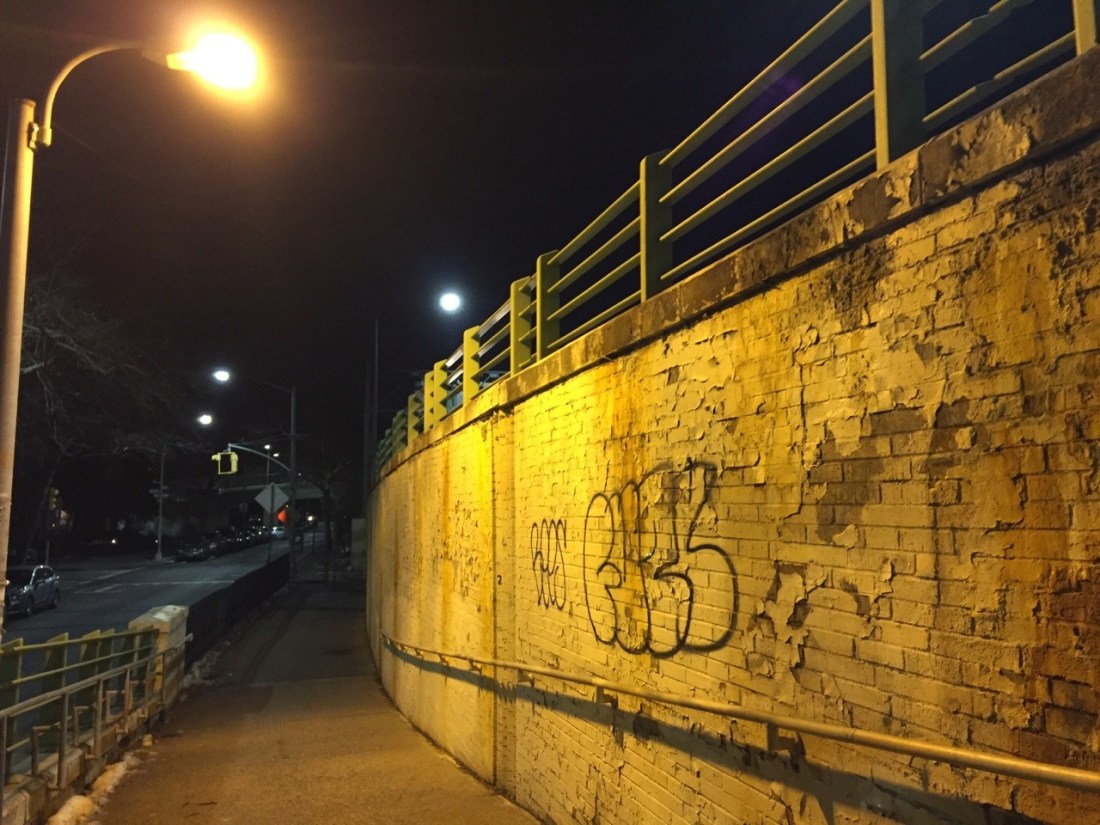
Walked past a beautiful old piano that someone put on a curb into the dirty snow. All pianos are hand made, even modern ones, but this one was particularly well made, every detail considered, and still looked handsome in its aged light wood. A woman ahead, also on her way to the subway, opened and played it for a few seconds, and it sounded incongruous with the grimy street around it and the traffic noise from the expressway below.
I wish pianos weren’t so expensive to move and tune. I wish I had the 10 feet of clear wall space that this not-especially-large piano required, not to mention the thought of an hour-plus of the commute ahead.
It is painful to think that these are the last 20-30 minutes in life of this beautiful instrument that someone made so many years ago, that someone bought and carefully brought to their home. I’m glad I wasn’t there when the garbage truck came. Nothing like this will ever be made again.
This is not in the future, this already happened in the past 16 years. Highly paid white-collar people have been made redundant by software. And this is yet another reason those who still remained at the old company are getting paid ever more.
In February 1975, a group of geneticists gathered in a tiny town on the central coast of California to decide if their work would bring about the end of the world. These researchers were just beginning to explore the science of genetic engineering, manipulating DNA to create organisms that didn’t exist in nature, and they were unsure how these techniques would affect the health of the planet and its people.
First, take a look at the image on the right. The left column contains the pixelated 8×8 source images, and the centre column shows the images that Google Brain’s software was able to create from those source images. For comparison, the real images are shown in the right column. As you can see, the software seemingly extracts an amazing amount of detail from just 64 source pixels.





 tinfoilparachute