


This is another tracked shot from the night watching the Perseids in @JoshuaTreeNPS. It’s just a plain shot of the Milky Way but it reminds me of the beauty that is just beyond what most of us can see. Human activity has polluted our skies with light to the point that the average human will never gets to see a sky like this. Just barely 100 years ago, anyone on Earth could walk outside at night and see our galaxy stretch across the night sky. That is no longer. This light pollution certainly has an impact on wildlife, but it also impacts our ability to see (first-hand) our place in this insanely vast universe. Under ideal conditions like this, the naked eye can see around 4,500 stars. A standard 50mm pair of binoculars can see 217,000 stars. If you had a 3-inch telescope, that jumps to 5.3 million. How many stars in our 100,000 lightyear-wide Milky Way? Well estimates put it near at least 100 billion. At those numbers (and considering the universe is made up of hundreds of billions of galaxies) the whole thing starts to feel unimaginable. Vast. Incredible. It’s important for us, as humans, to feel that from time to time. https://ift.tt/2OWaA96
yeah
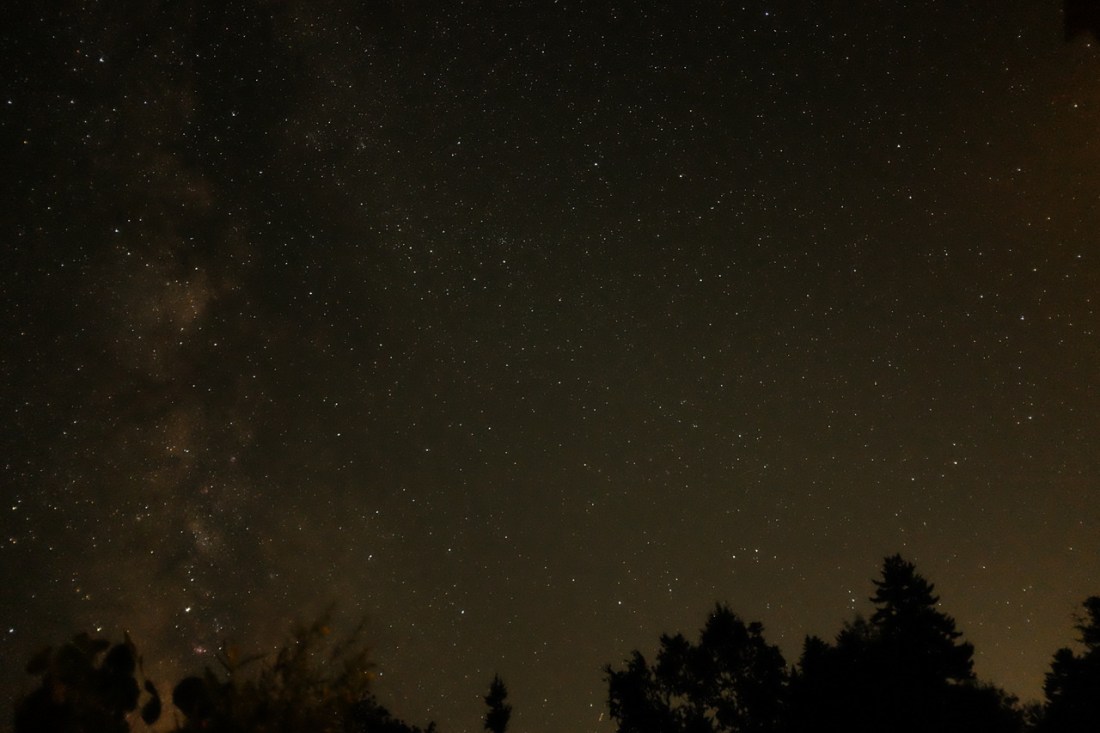
That night, I spent probably an hour looking at this sky, and I slept really well.

I miss this sky already, this Mars, and this Milky Way – and probably will keep missing it until the next time I get to see this – next year? next century?


there’s a species of solitary mason bees that make these pretty little nests for their larvae out of flower petals 🙂
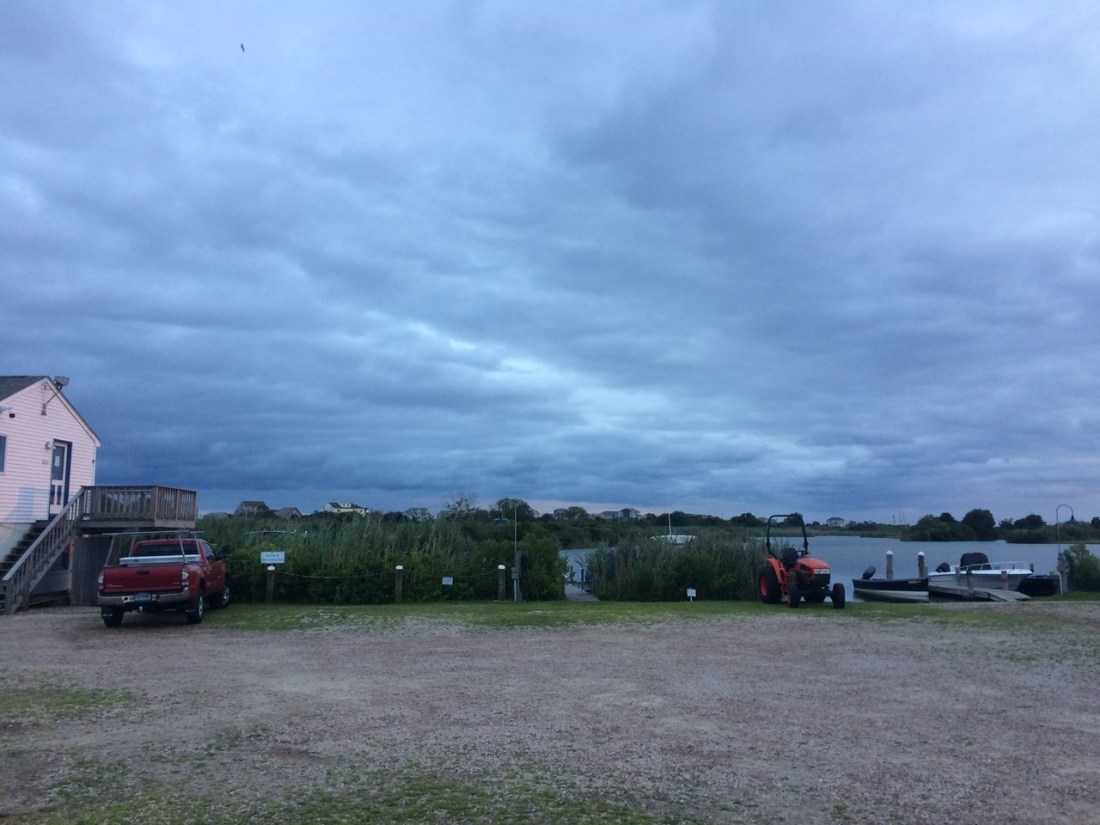
“You need the ocean for this: to stop believing in reality. To ask yourself impossible questions. To not know. To cease knowing. To become intoxicated by the smell. To close your eyes. To stop believing in reality.”
— Cristina Rivera Garza, The Iliac Crest
 tinfoilparachute