
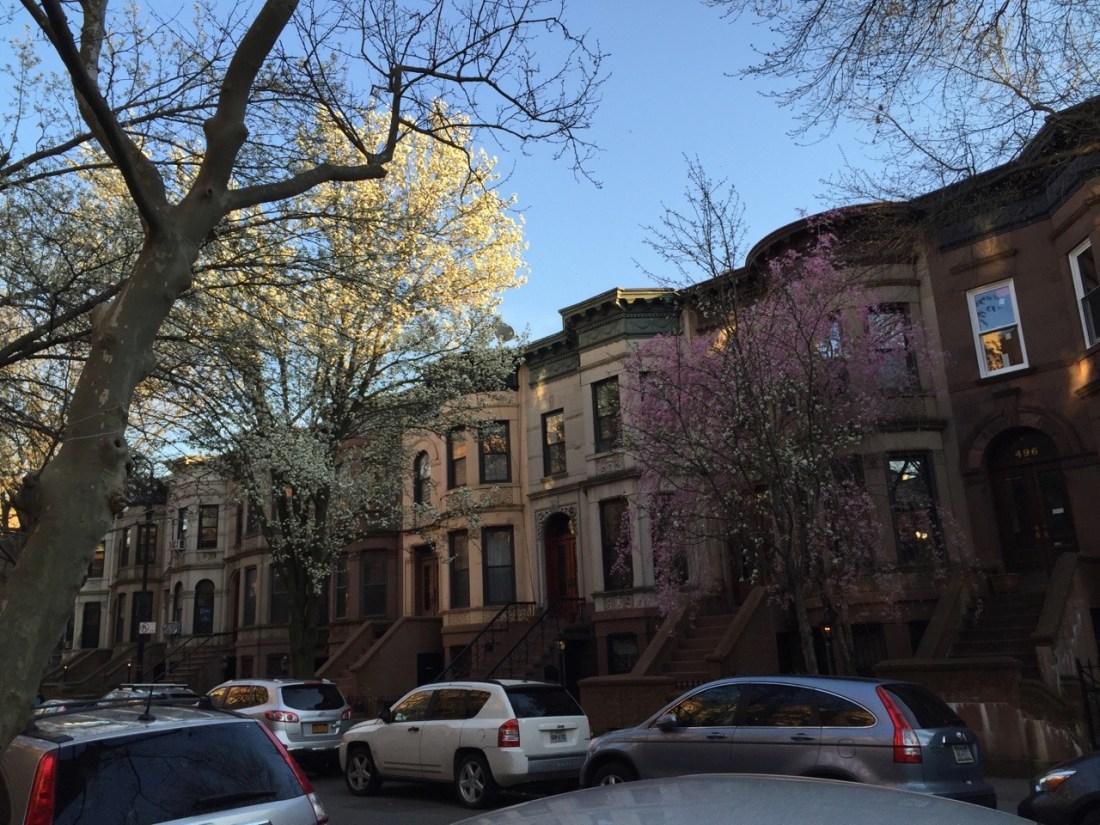
My city is pretty and I love it.
My city is pretty and I love it.
I love South African holidays. They are almost as good as Japanese ones.
March 21 – Human Rights Day
April 14 – Good Friday
April 17 – Family Day
April 27 – Freedom (from work) Day
…
Can we have holidays like that in our country (our only good one is Thanksgiving).

Took a long way home
It’s that time of the year – getting caught by a band of roving Chabadniks on the prowl to do their mizvah , except this time I was with L and could not refuse a ziploc baggie of dried up and a little burnt homemade matzo because L said CRACKAA! and I couldn’t just move on.
Giving your toddler food that a stranger in black hat gave you – nice lesson – I am horrid (I did taste it first).
99.9% of the time this is okay. Have to trust people even if (especially if?) they wear black hats.
Thanks very much @saffronfingers and @edennoir – both suggestions are helpful.
I need to tattoo the reminder to reframe things in a positive way on my forearm.
And yes, this blog was supposed to be where I would write the good and the beautiful that happened that day. I should return it to that.

Puzzlewood forest is the mysterious, fantastical woodland inspiration for “The Lord of the Rings.”
For my next time in UK
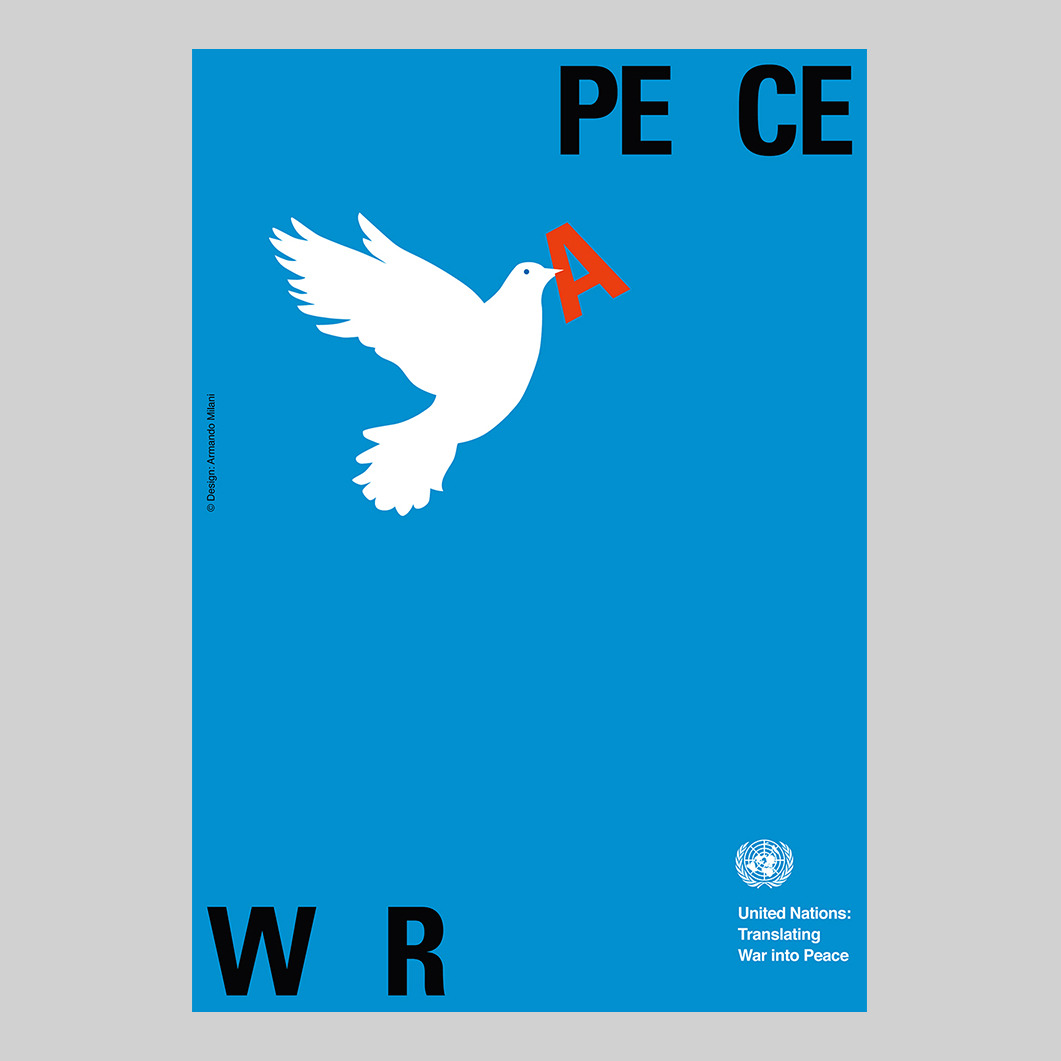
“Translating War Into Peace”
Poster design by Armando MilaniArmando Milani is an internationally acclaimed Italian graphic designer.
From 1959 to 1963 he studied at the Umanitaria School in Milan—then the most famous graphic design school in Italy. During his career, he has served prestigious clients including DePadova, Montecatini Edison, Roche, Touring Club of Italy, and the United Nations designing many beautiful announcements, books, marks, and posters.
From the beginning of the 21st century he started to focus more and more on social communication, dedicating himself to the illustration of posters aimed to direct the attention of the public on social themes with an international impact. In 2003 he dedicated to the United Nations a poster for the world peace, that has already become a world classic.
This is nice.
How does one go about making oneself less cynical ?

Zeta Oph: Runaway Star // NASA
Like a ship plowing through cosmic seas, runaway star Zeta Ophiuchi produces the arcing interstellar bow wave or bow shock seen in this stunning infrared portrait. In the false-color view, bluish Zeta Oph, a star about 20 times more massive than the Sun, lies near the center of the frame, moving toward the left at 24 kilometers per second. Its strong stellar wind precedes it, compressing and heating the dusty interstellar material and shaping the curved shock front. What set this star in motion? Zeta Oph was likely once a member of a binary star system, its companion star was more massive and hence shorter lived. When the companion exploded as a supernova catastrophically losing mass, Zeta Oph was flung out of the system. About 460 light-years away, Zeta Oph is 65,000 times more luminous than the Sun and would be one of the brighter stars in the sky if it weren’t surrounded by obscuring dust. The image spans about 1.5 degrees or 12 light-years at the estimated distance of Zeta Ophiuchi.
 tinfoilparachute