“Libraries, archives, and museums all find themselves at the intersection of materiality and the mystical. Perhaps this is why we’re so quiet when we enter them.”
— Jenn Shapland, “Finders Keepers” in Tin House (via malglories)
Tag: queue
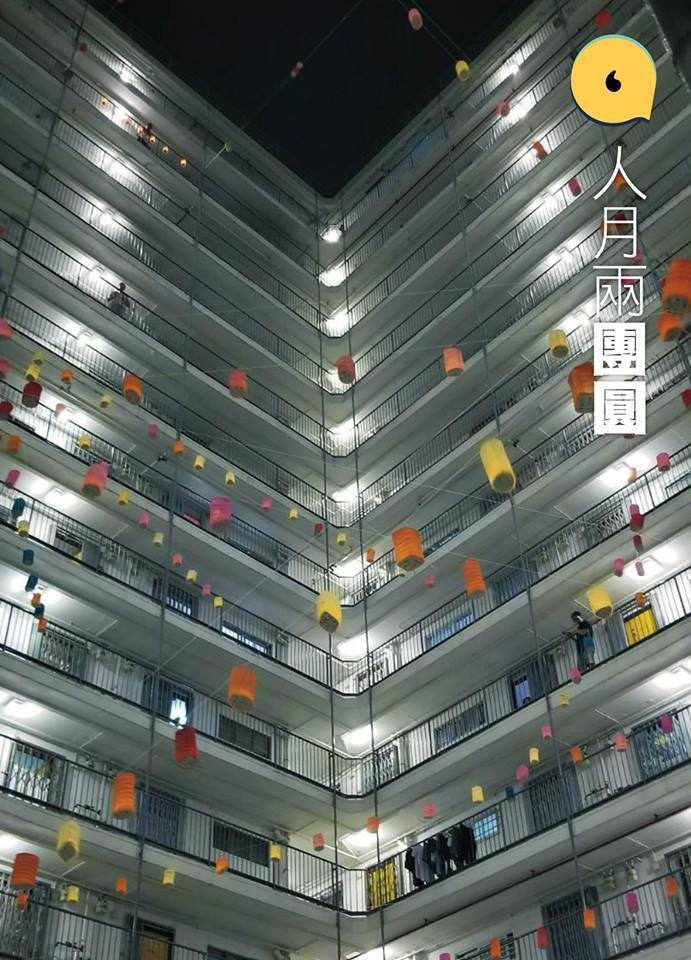
mid-autumn festival at public housing – cheung shan estate, tsuen wan
(photo from as.appledaily fb | 4 oct 2017)
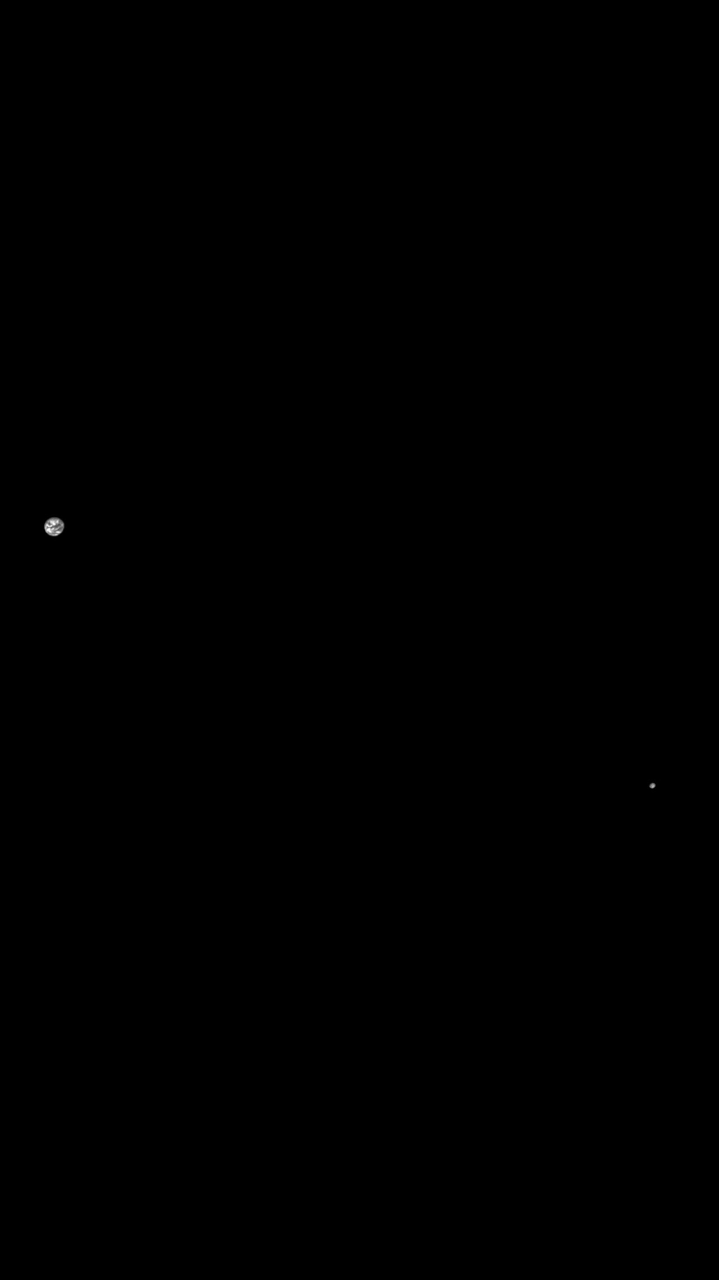
“And from the mere singular, multitudes of immensity lurk. Glistening points of light on a lineless horizon.”
–Ahmed Salman
“What is to give light must endure burning.”
Viktor Frankl
Best countries to live as expat: 2017 list
I get carried away reading these…
Hmm… Portugal and Mexico!
Elon Musk shares first full-body photo of SpaceX’s spacesuit
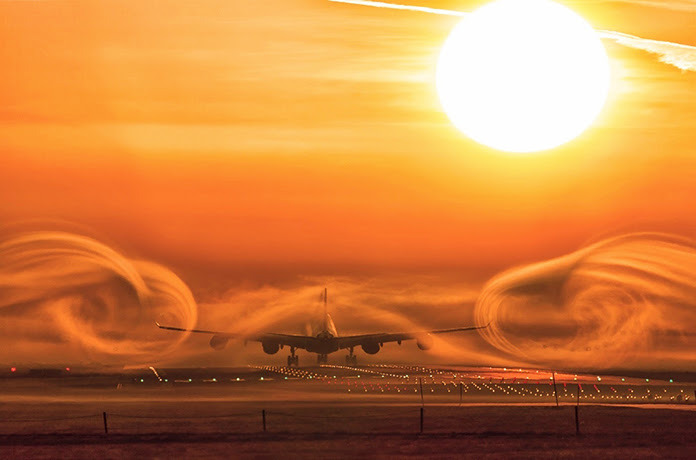
Often our atmosphere’s transparency masks the beautiful flows around us. This spectacular image shows a flight landing in Munich just after sunrise. Low-hanging clouds get sliced by the airplane’s passage and curl into its wake. The swirls are a result of the plane’s wingtip vortices, which wrap from the high-pressure underside of the wing toward the low-pressure upperside. The vortices stretch behind in the plane’s wake, creating turbulence that can be dangerous to following planes. In fact, these vortices are a major determining factor in the frequency of take-off and landing on a given runway. The larger a plane, the larger its wingtip vortices and the more time it takes for the turbulence of its passage to dissipate to a safe level for the next aircraft. (Image credit: T. Harsch; submitted by Larry S.)
…the primary form of mathematical communication is not description but injunction… Music is a similar art form, the composer does not even attempt to describe the set of sounds he has in mind, much less the set of feelings occasioned through them, but writes down a set of commands which, if they are obeyed by the performer, can result in a reproduction, to the listener, of the composer’s original experience.
G. Spencer-Brown, Laws of Form
Examples of cognates in Indo-European languages are the words night (English), nuit (French), noche (Spanish), Nacht (German), nacht (Dutch), nag (Afrikaans), nicht (Scots), natt (Swedish, Norwegian), nat (Danish), nátt (Faroese), nótt (Icelandic), noc (Czech, Slovak, Polish), ночь, noch (Russian), ноќ, noć (Macedonian), нощ, nosht (Bulgarian), ніч, nich (Ukrainian), ноч, noch/noč (Belarusian), noč (Slovene), noć (Bosnian, Serbian, Croatian), νύξ, nyx (Ancient Greek, νύχτα/nychta in Modern Greek), nox/nocte (Latin), nakt- (Sanskrit), natë (Albanian), nos (Welsh), nueche (Asturian), noite (Portuguese and Galician), notte (Italian), nit (Catalan), nuèch/nuèit (Occitan), noapte (Romanian), nakts (Latvian), naktis (Lithuanian) and Naach (Colognian), all meaning “night” and being derived from the Proto-Indo-European *nókʷts “night”.
Wikipedia
 tinfoilparachute